
Insights & Industry Knowledge
We share knowledge based on real project experience — helping contractors and developers better understand electrical scope, coordination, and compliance.

Mental Health on Construction Sites: A Commercial Reality, Not Just a Welfare Issue
Mental health in construction is often treated as a side conversation—something acknowledged, but rarely built into how projects actually run. The reality is different. Site pressure, tight programmes, coordination issues, and long hours all create an environment where stress becomes normalised.
And when it’s ignored, it doesn’t just affect individuals—it affects delivery.
The Reality on Site
Construction sites are high-pressure environments by nature:
Constant programme deadlines
Changing site conditions
Coordination across multiple trades
Physical fatigue combined with mental load
Travel and long working days
Most operatives won’t speak up. Not because the issue isn’t there—but because the culture hasn’t made space for it.
Instead, it shows up in other ways:
Reduced focus
Mistakes and rework
Short tempers and poor communication
Increased safety risks
Why It Matters Commercially
Mental health isn’t separate from performance—it directly impacts it.
A stressed, fatigued team is more likely to:
Miss details on install
Fall behind programme
Create avoidable issues on site
Increase the risk of incidents
On the flip side, a supported team:
Works more consistently
Communicates better with other trades
Maintains higher installation standards
Helps keep projects moving
For contractors and developers, this isn’t just a welfare issue—it’s a delivery issue.
What Actually Makes a Difference
This doesn’t require big initiatives or complex systems. It starts with how sites are run day to day.
1. Normalising Conversation
Creating an environment where it’s acceptable to say something isn’t right—without judgement.
2. Leadership on Site
Supervisors and managers set the tone. A quick check-in, clear communication, and respect go a long way.
3. Realistic Expectations
Programmes are important, but constant pressure without flexibility leads to burnout and mistakes.
4. Team Stability
Consistent teams perform better. Constant change increases stress and reduces efficiency.
5. Awareness, Not Assumption
Recognising that not everyone handles pressure the same way—and adjusting approach accordingly.
The Industry Shift
The construction industry is starting to recognise this more openly, with organisations like Mates in Mind and Lighthouse Construction Industry Charity leading the conversation.
But real change doesn’t come from campaigns alone—it comes from how things are done on site, every day.
Final Thought
Strong projects aren’t just built on technical ability—they’re built on people who can consistently perform under pressure.
Looking after mental health isn’t about slowing things down.
It’s about creating teams that are stable, focused, and capable of delivering at a high level.
That’s what keeps projects moving—and standards high.

Amendment 4 of BS 7671 – What It Means for Electrical Installations
The latest update to the IET Wiring Regulations, Amendment 4 of BS 7671, introduces changes aimed at improving safety, clarity, and consistency across electrical installations.
For contractors and developers, understanding these updates is important to ensure projects remain compliant and avoid issues at inspection and handover.
The latest update to the IET Wiring Regulations, Amendment 4 of BS 7671, introduces changes aimed at improving safety, clarity, and consistency across electrical installations.
For contractors and developers, understanding these updates is important to ensure projects remain compliant and avoid issues at inspection and handover.
Key Focus of Amendment 4
While not a complete overhaul, Amendment 4 refines existing requirements and introduces updates that affect how installations are designed, installed, and verified.
Improved Clarity in Requirements
Several regulations have been updated to remove ambiguity, making compliance more straightforward for designers and installers.
Updates to Safety Measures
There is a continued focus on enhancing electrical safety, particularly around protection methods and installation practices.
Alignment with Industry Practices
The amendment reflects evolving industry standards and aims to bring consistency across different types of installations.
What This Means for Projects
Design & Specification
Electrical designs may need to be reviewed to ensure they align with the updated requirements.
Installation Practices
On-site works must follow current regulations, meaning contractors need to stay informed and adapt where necessary.
Testing & Certification
Compliance will be assessed against the latest standards, so proper testing and documentation are essential.
Why It Matters
Failure to comply with current regulations can result in:
Delays at inspection stage
Additional costs due to rework
Issues with certification and handover
Staying aligned with BS 7671 ensures installations are safe, compliant, and ready for approval.
Conclusion
Amendment 4 of BS 7671 reinforces the importance of working to current standards and maintaining a structured approach to electrical installations.
For contractors and developers, working with an up-to-date and compliant electrical contractor helps ensure smooth delivery and successful project completion.
If you're planning a project and want to ensure compliance with current regulations, feel free to get in touch to discuss your requirements.

What Information Is Needed to Price an Electrical Project Accurately
Accurate pricing starts with accurate information. Without a clear scope, any quotation is based on assumptions — which can lead to delays, variations, and cost uncertainty later in the project.
For an electrical contractor to provide a reliable price, the following information is essential:
Drawings & Specifications
Electrical drawings, layouts, and specifications form the foundation of any quotation. They define the scope, system requirements, and installation expectations.
Scope of Works
A clear scope outlining what is included — and what isn’t — helps avoid misunderstandings and ensures all parties are aligned.
Programme & Phasing
Understanding project timelines allows works to be planned efficiently and priced in line with site conditions and sequencing.
Site Conditions
Access, working environment, and build stage all impact labour and installation methods.
Design Responsibility
Clarifying whether the design is complete or requires contractor input is key to accurate pricing.
Conclusion
The more detailed the information, the more accurate and reliable the quotation. Clear input at the start leads to smoother delivery and fewer surprises later.
Planning a project? Send your drawings and scope for review.
Accurate pricing starts with accurate information. Without a clear scope, any quotation is based on assumptions — which can lead to delays, variations, and cost uncertainty later in the project.
For an electrical contractor to provide a reliable price, the following information is essential:
Drawings & Specifications
Electrical drawings, layouts, and specifications form the foundation of any quotation. They define the scope, system requirements, and installation expectations.
Scope of Works
A clear scope outlining what is included — and what isn’t — helps avoid misunderstandings and ensures all parties are aligned.
Programme & Phasing
Understanding project timelines allows works to be planned efficiently and priced in line with site conditions and sequencing.
Site Conditions
Access, working environment, and build stage all impact labour and installation methods.
Design Responsibility
Clarifying whether the design is complete or requires contractor input is key to accurate pricing.
Conclusion
The more detailed the information, the more accurate and reliable the quotation. Clear input at the start leads to smoother delivery and fewer surprises later.
Planning a project? Send your drawings and scope for review.
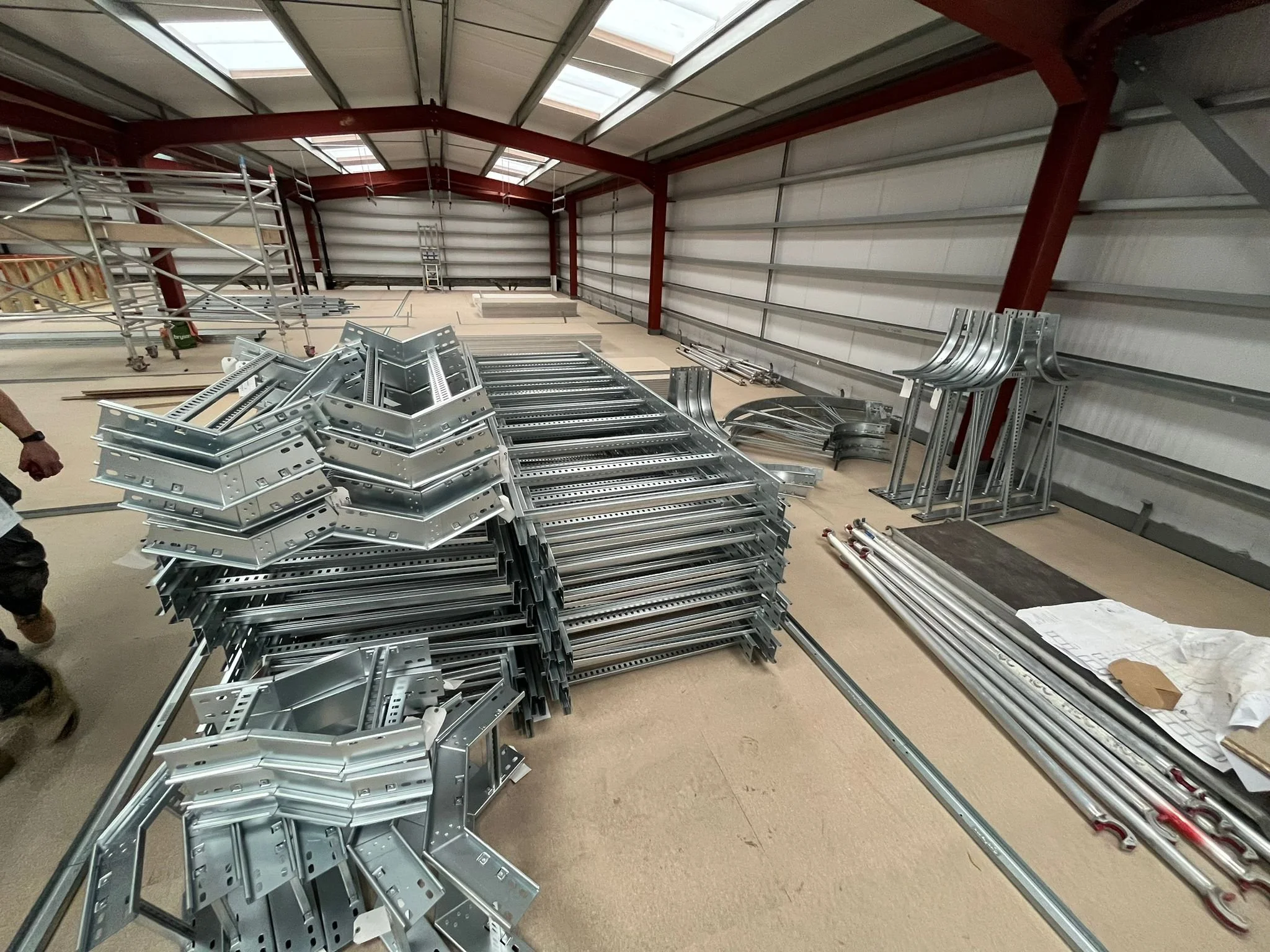
Common Delays in Commercial Electrical Projects (And How to Avoid Them)
Delays in electrical works are often not caused by the installation itself, but by coordination issues and missing information.
Understanding the common causes can help keep projects on track.
Incomplete or Late Drawings
Working from outdated or incomplete information leads to rework and delays.
Poor Coordination Between Trades
Electrical works rely on progress from other trades. Lack of coordination can result in downtime or re-sequencing.
Access Restrictions
Limited access to work areas or shared spaces can slow down installation progress.
Changes to Scope
Unclear or evolving requirements often lead to variations and programme disruption.
Material Delays
Late procurement or unavailable materials can halt progress unexpectedly.
How to Avoid These Issues
Ensure drawings are coordinated before starting
Maintain clear communication between trades
Plan access and sequencing early
Confirm scope before works begin
Conclusion
Most delays are preventable with proper planning and coordination. A structured approach from the outset leads to smoother project delivery.
Delays in electrical works are often not caused by the installation itself, but by coordination issues and missing information.
Understanding the common causes can help keep projects on track.
Incomplete or Late Drawings
Working from outdated or incomplete information leads to rework and delays.
Poor Coordination Between Trades
Electrical works rely on progress from other trades. Lack of coordination can result in downtime or re-sequencing.
Access Restrictions
Limited access to work areas or shared spaces can slow down installation progress.
Changes to Scope
Unclear or evolving requirements often lead to variations and programme disruption.
Material Delays
Late procurement or unavailable materials can halt progress unexpectedly.
How to Avoid These Issues
Ensure drawings are coordinated before starting
Maintain clear communication between trades
Plan access and sequencing early
Confirm scope before works begin
Conclusion
Most delays are preventable with proper planning and coordination. A structured approach from the outset leads to smoother project delivery.
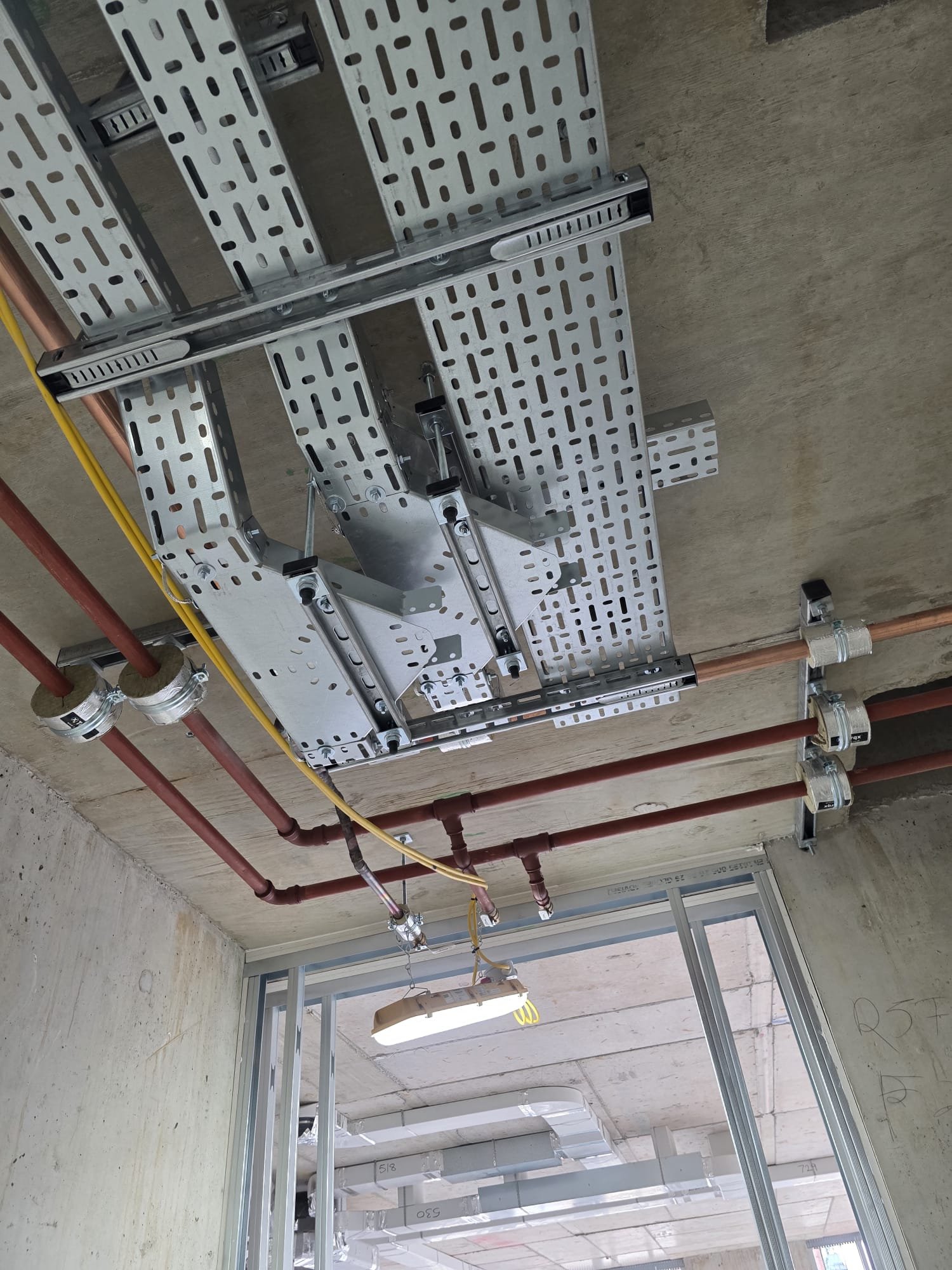
Shell & Core vs Fit-Out: What’s the Difference?
Understanding the difference between shell & core and fit-out works is essential when planning electrical installations.
Shell & Core
This phase includes the base-build infrastructure of a building, such as:
Main electrical intake
Distribution systems
Riser containment
Core services
The focus is on creating a functional framework ready for further development.
Fit-Out
Fit-out involves installing the systems required for the final use of the space, including:
Lighting
Small power
Final connections
Specialist systems
This stage is more detailed and closely linked to the end user’s requirements.
Why It Matters
Each phase requires a different approach to planning, coordination, and delivery. Clear understanding ensures works are properly scoped and priced.
Conclusion
Shell & core builds the foundation — fit-out completes the space. Both are critical to a successful project.
Understanding the difference between shell & core and fit-out works is essential when planning electrical installations.
Shell & Core
This phase includes the base-build infrastructure of a building, such as:
Main electrical intake
Distribution systems
Riser containment
Core services
The focus is on creating a functional framework ready for further development.
Fit-Out
Fit-out involves installing the systems required for the final use of the space, including:
Lighting
Small power
Final connections
Specialist systems
This stage is more detailed and closely linked to the end user’s requirements.
Why It Matters
Each phase requires a different approach to planning, coordination, and delivery. Clear understanding ensures works are properly scoped and priced.
Conclusion
Shell & core builds the foundation — fit-out completes the space. Both are critical to a successful project.
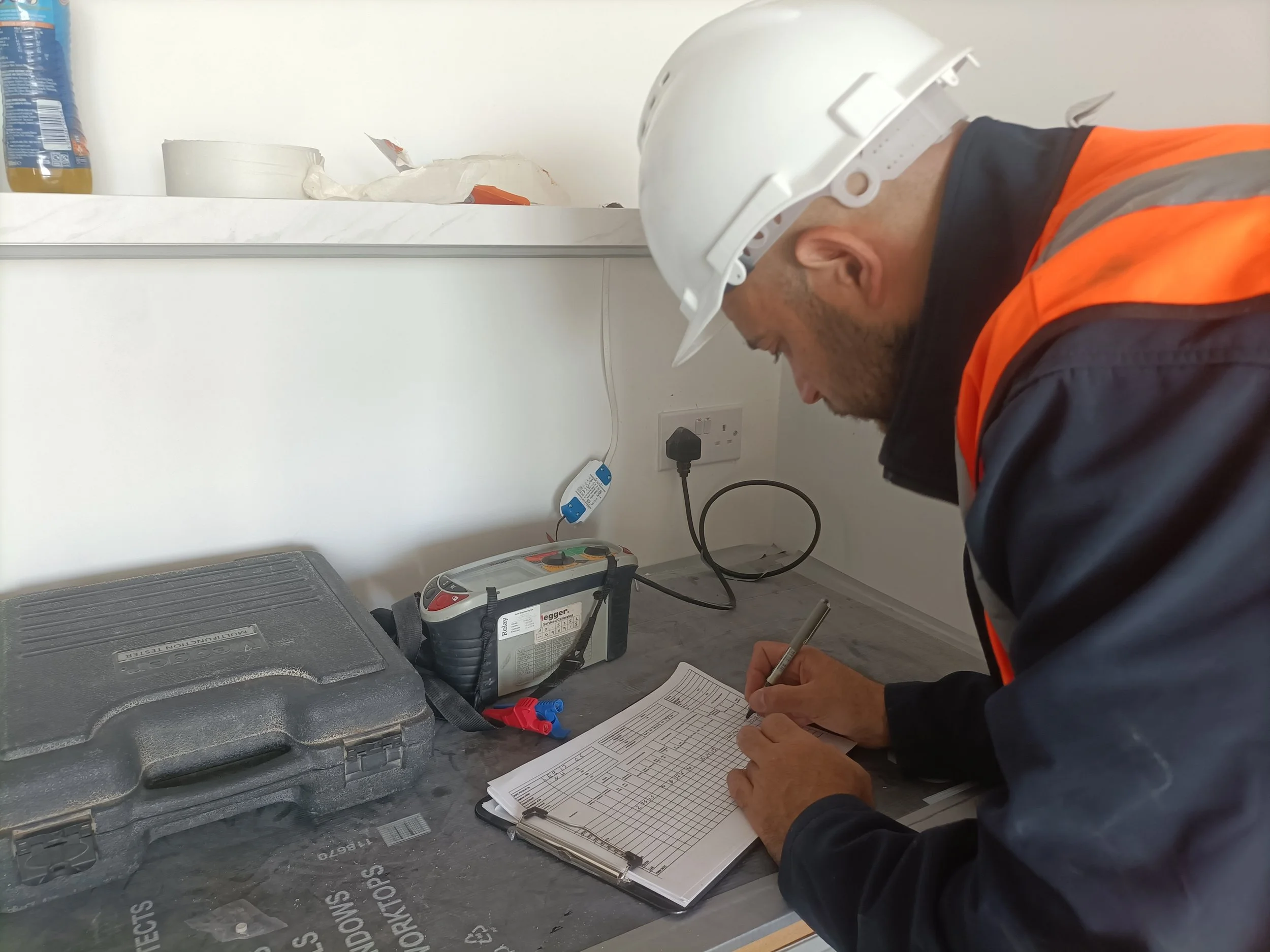
The Importance of Testing & Commissioning in Commercial Projects
Testing and commissioning are essential stages in any electrical installation, ensuring systems are safe, compliant, and ready for operation.
What Does It Involve?
Inspection of installed systems
Electrical testing in line with regulations
Verification of system performance
Identification and resolution of faults
Why It Matters
Safety
Ensures installations meet required standards and operate safely.
Compliance
Confirms adherence to current regulations and certification requirements.
Performance
Verifies systems function as intended before handover.
Handover Readiness
Provides the documentation required for project completion.
Common Issues
Incomplete installations
Missing documentation
Late-stage testing
These can delay project handover if not properly managed.
Conclusion
Testing and commissioning are not just final steps — they are critical to delivering a complete and compliant project.
All installations should be tested, verified, and ready for handover without compromise.
Testing and commissioning are essential stages in any electrical installation, ensuring systems are safe, compliant, and ready for operation.
What Does It Involve?
Inspection of installed systems
Electrical testing in line with regulations
Verification of system performance
Identification and resolution of faults
Why It Matters
Safety
Ensures installations meet required standards and operate safely.
Compliance
Confirms adherence to current regulations and certification requirements.
Performance
Verifies systems function as intended before handover.
Handover Readiness
Provides the documentation required for project completion.
Common Issues
Incomplete installations
Missing documentation
Late-stage testing
These can delay project handover if not properly managed.
Conclusion
Testing and commissioning are not just final steps — they are critical to delivering a complete and compliant project.
All installations should be tested, verified, and ready for handover without compromise.